
Commercial Solar Diagnostic Stack

IV Curve vs Thermography vs DAS Analytics vs Insulation Resistance


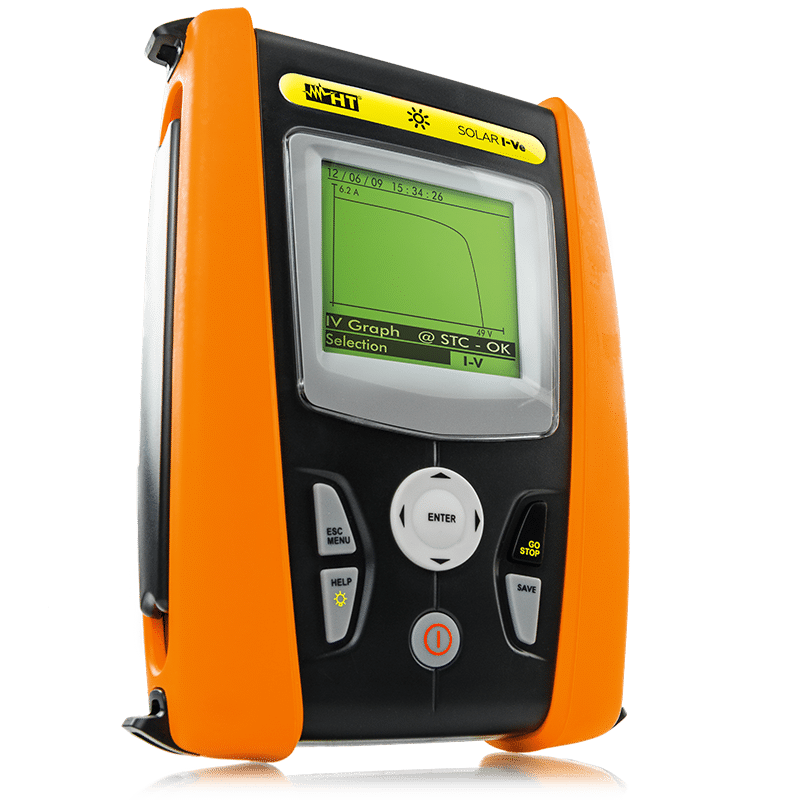
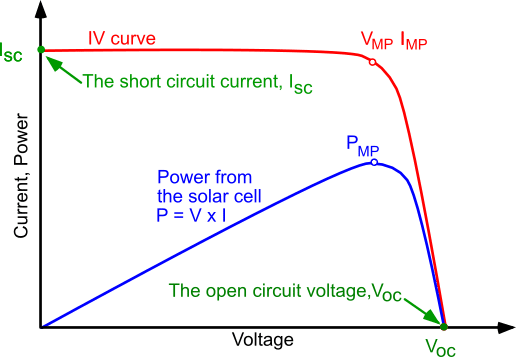
1️⃣ IV Curve Testing

Electrical Performance Diagnostic
Primary Purpose:
Quantifies string or module performance under load.

Detects:
✔ High series resistance
✔ Bypass diode failure
✔ String mismatch
✔ Degradation (PID, aging)
✔ Voltage drop issues

Best For:
• Warranty validation
• Commissioning verification
• Root cause performance analysis

Key Strength:
📊 Measures actual power loss (Pmax + Fill Factor)


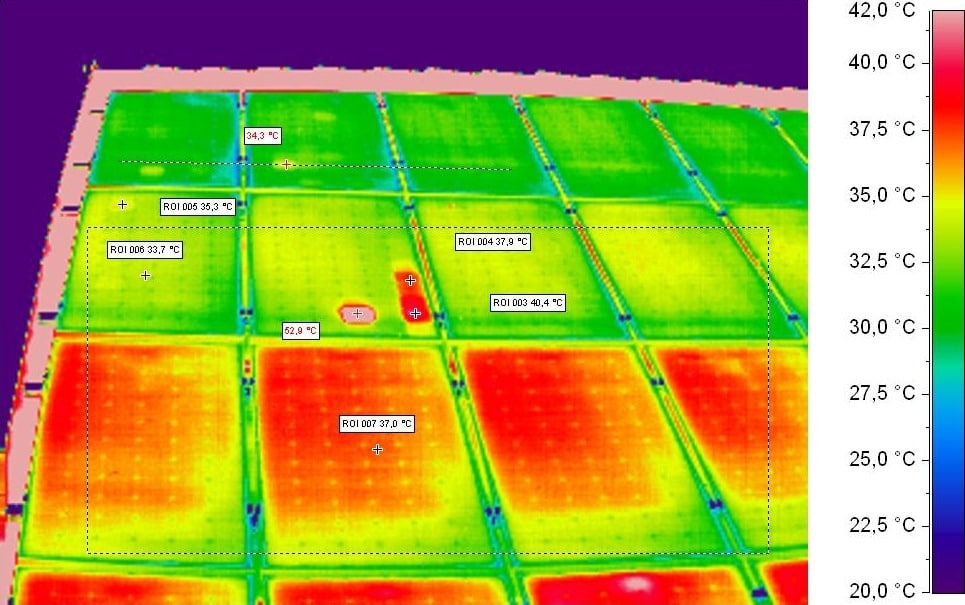
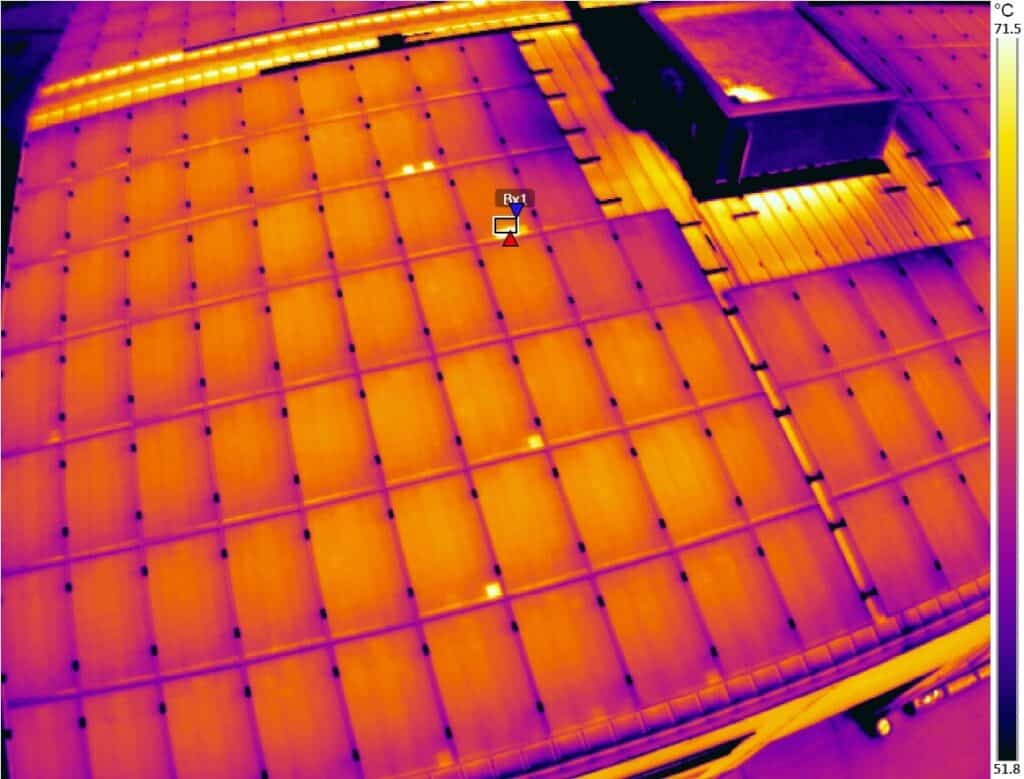
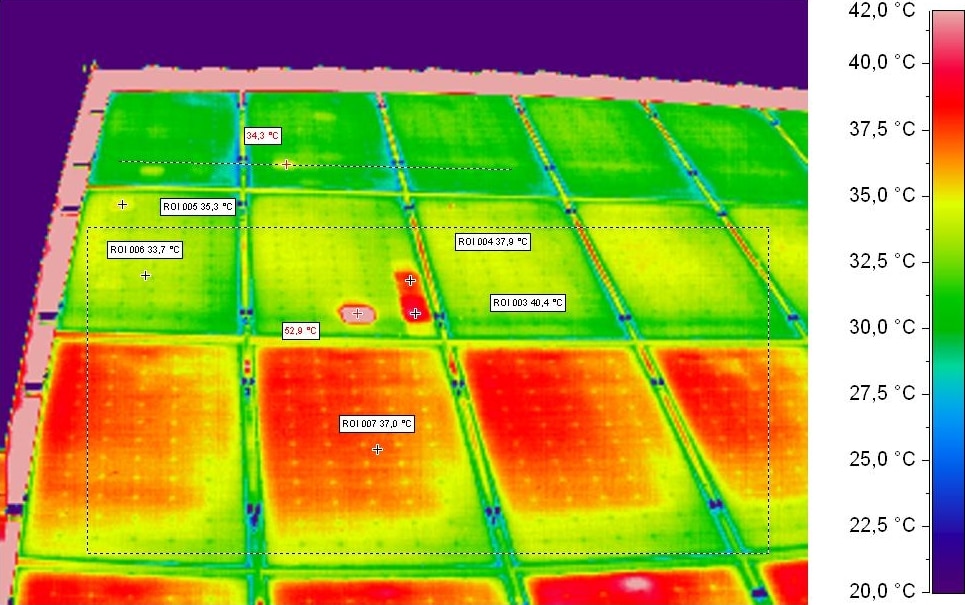
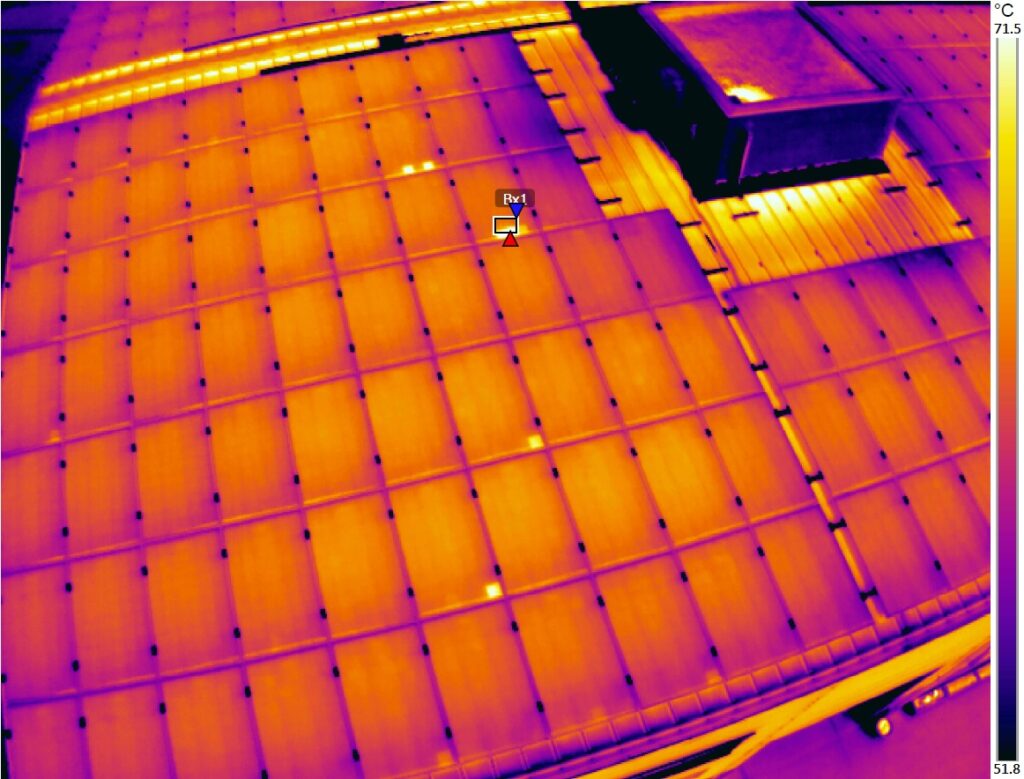
2️⃣ Thermography (IR Inspection)

Thermal Anomaly Detection

Primary Purpose:
Locates overheating components and module defects.

Detects:
✔ Hotspots
✔ Ribbon corrosion
✔ Loose terminations
✔ Burned fuses
✔ Failing diodes

Best For:
• Rapid large-scale inspection
• Preventive maintenance
• Physical defect identification

Key Strength:
🌡 Shows exactly where the failure is


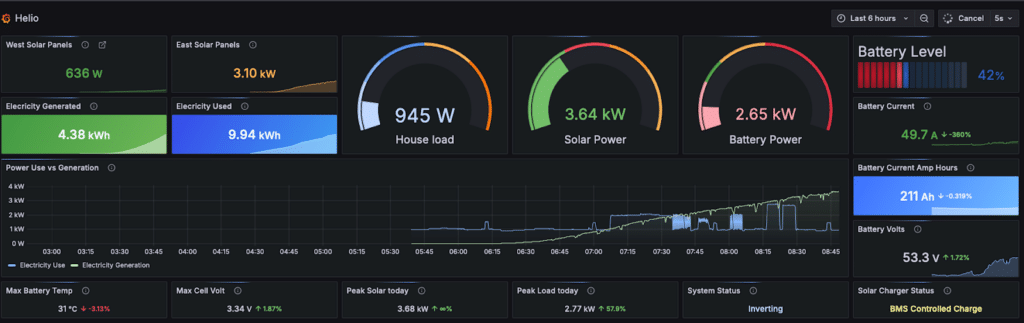
3️⃣ DAS Analytics

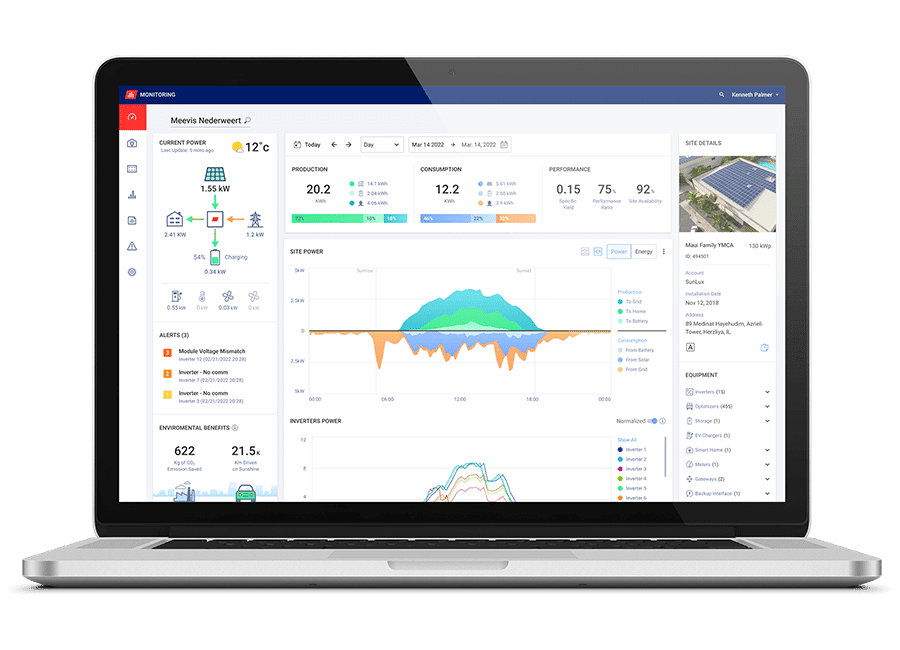
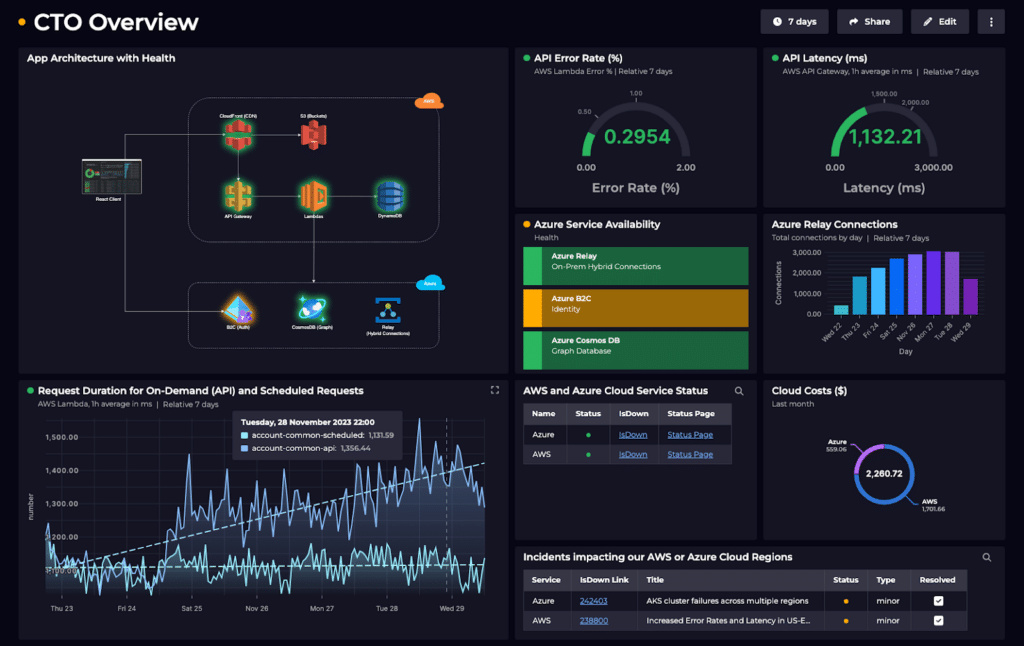
Data-Driven Performance Monitoring

Primary Purpose:
Continuous performance monitoring.

Detects:
✔ PR drops
✔ Underperforming inverters
✔ Downtime events
✔ Curtailment
✔ Degradation trends

Best For:
• Portfolio oversight
• KPI tracking
• Predictive maintenance strategy

Key Strength:
📈 Tells you when performance changed


4️⃣ Insulation Resistance Testing

Safety & Ground Fault Diagnostic

Primary Purpose:
Validates electrical safety integrity.

Detects:
✔ Ground faults
✔ Moisture intrusion
✔ Pinched conductors
✔ UV-degraded insulation
✔ Rodent damage

Best For:
• Commissioning
• Post-fault troubleshooting
• Fire risk prevention

Key Strength:
⚡ Confirms system is electrically safe


🔄 How They Work Together (Diagnostic Stack Flow)

1. DAS flags anomaly →
2. Thermography locates defect →
3. IV Curve quantifies power loss →
4. Insulation Resistance confirms safety


Executive-Level Comparison

ToolFinds Power LossLocates FailureMonitors TrendsConfirms SafetyRoot Cause Depth
IV Curve⭐⭐⭐⭐⭐⭐⭐⭐⭐⭐
Thermography⭐⭐⭐⭐⭐⭐⭐⭐⭐⭐⭐
DAS Analytics⭐⭐⭐⭐⭐⭐⭐⭐
Insulation Resistance⭐⭐⭐⭐⭐⭐

💡 Takeaway for Commercial Solar Asset Managers

A high-performance O&M strategy doesn’t rely on one tool.

It layers:

  • Continuous monitoring (DAS)
  • Annual thermal scans
  • Targeted IV curve testing
  • Safety validation testing

That combination protects:

  • ROI
  • Warranty claims
  • Insurance compliance
  • Fire risk exposure
  • Long-term asset value

What a Series Resistance Test Detects on a Solar Array?

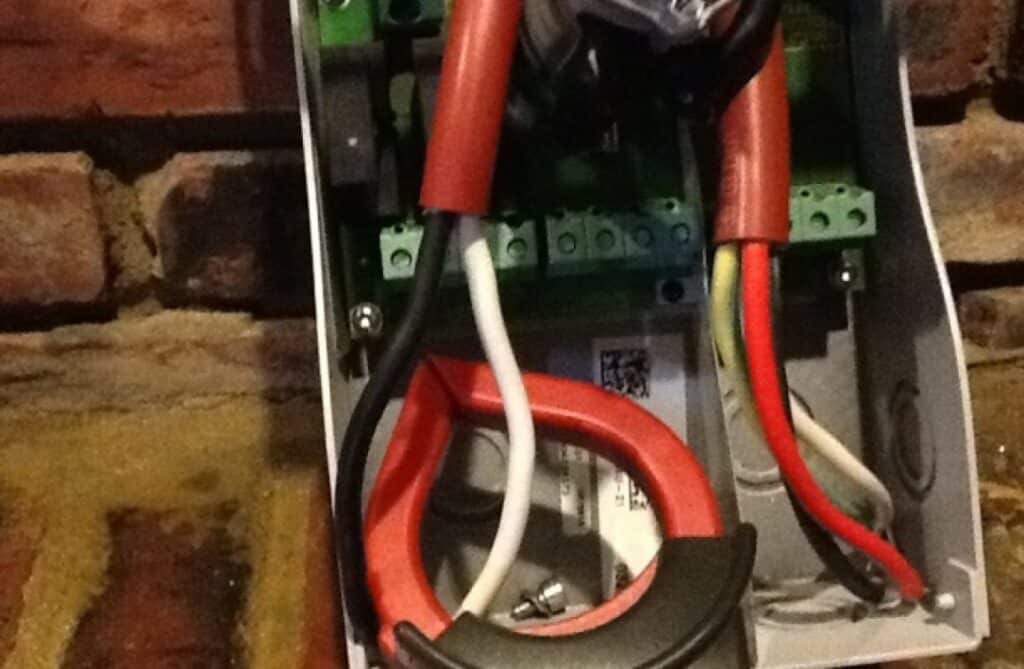
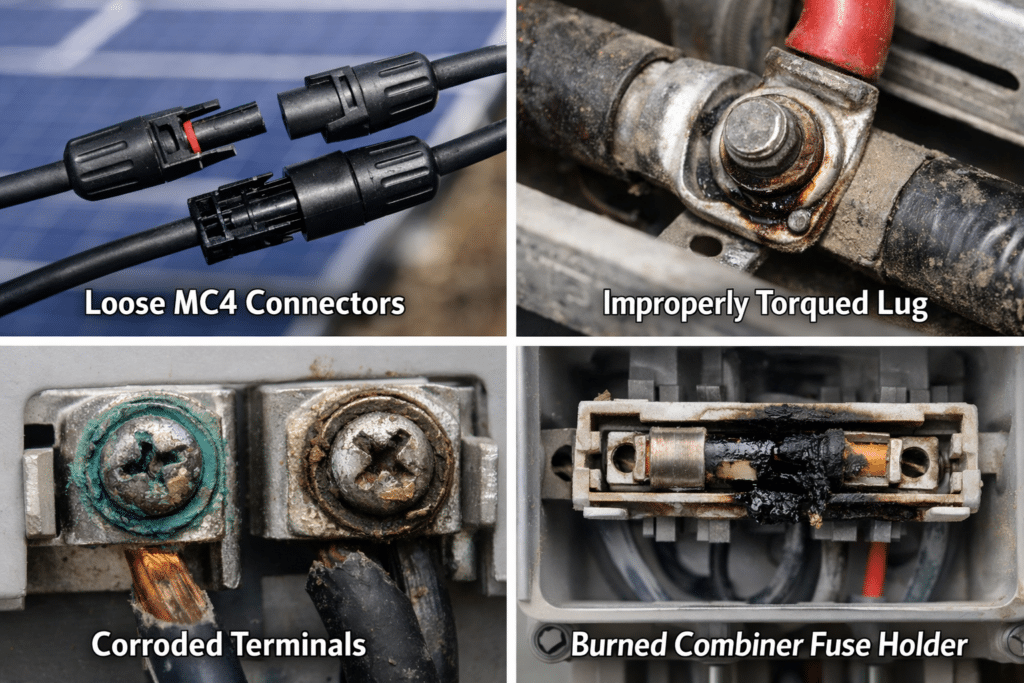
1️⃣ Loose or High-Resistance Connections

  • Loose MC4 connectors
  • Improperly torqued lugs
  • Corroded terminals
  • Burned combiner fuse holders

These create heat and voltage drop, reducing power output.

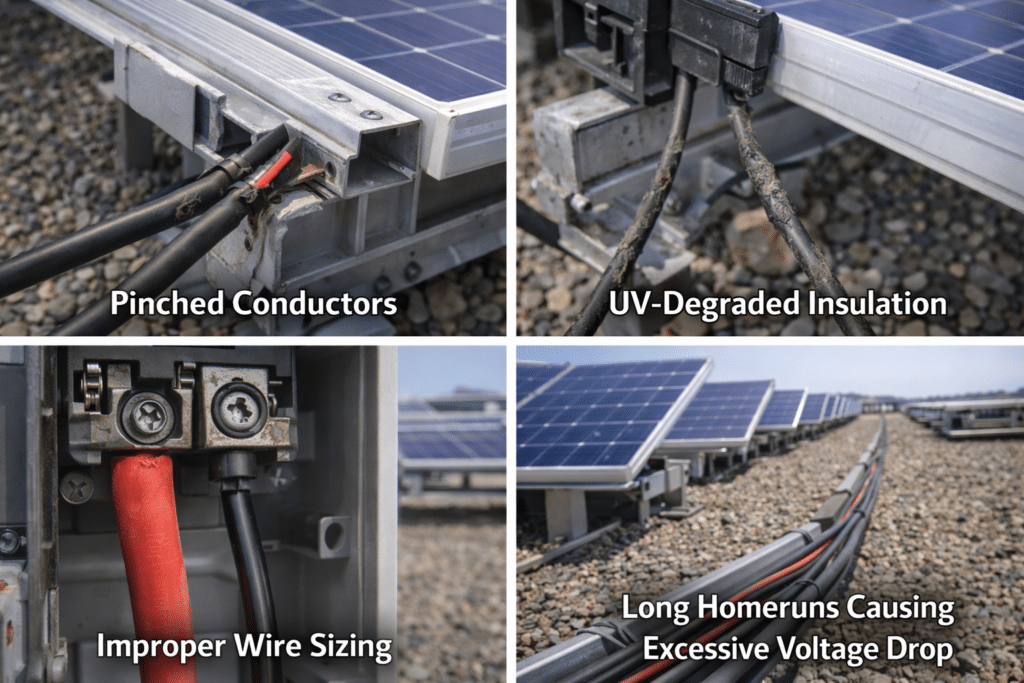
2️⃣ Damaged or Undersized DC Wiring

  • Pinched conductors
  • UV-degraded insulation
  • Improper wire sizing
  • Long homeruns causing excessive voltage drop

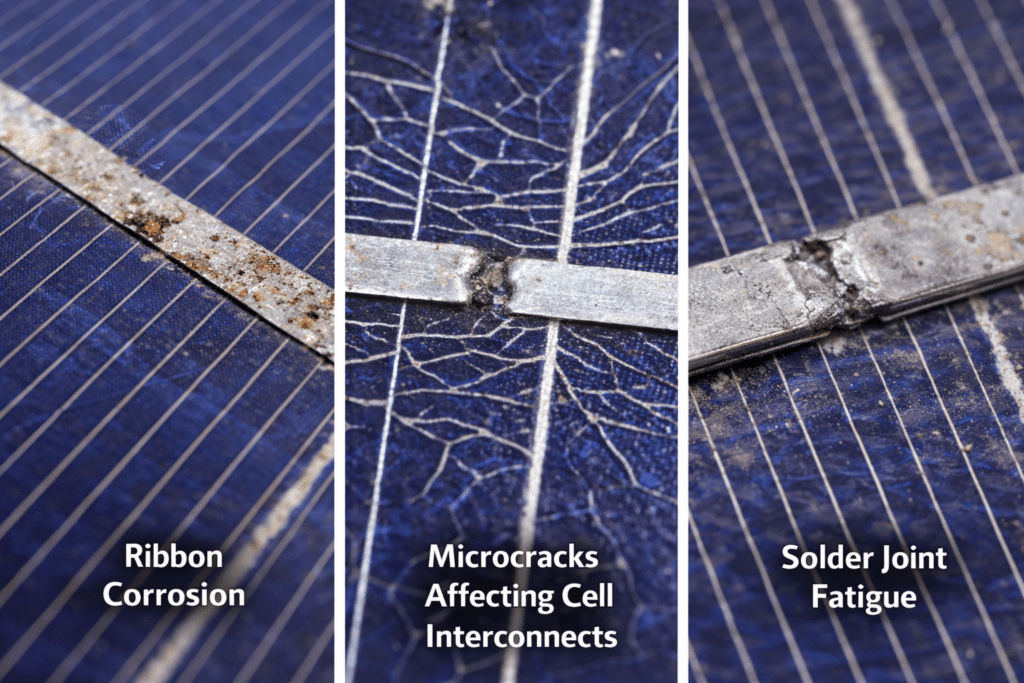
3️⃣ Degraded Module Internal Connections

  • Ribbon corrosion
  • Microcracks affecting cell interconnects
  • Solder joint fatigue

4️⃣ Faulty Bypass Diodes

Bypass diode issues increase resistance and reduce current flow.

How IV Curve testing compares to thermography, DAS analytics, and insulation resistance testing—and how they work as a complete diagnostic stack.


1️⃣ IV Curve Testing

Electrical Performance Diagnostic
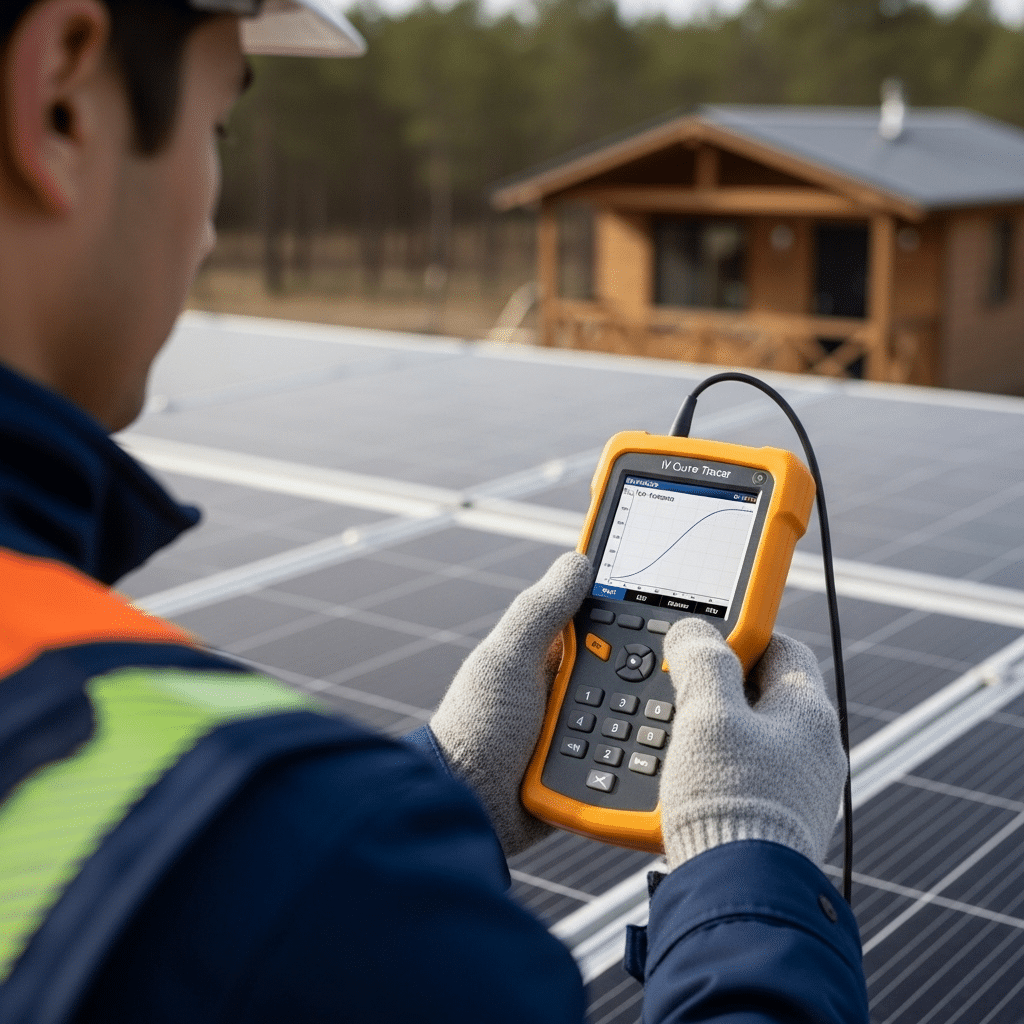
What it measures:
Current vs. voltage behavior of modules or strings under operating conditions.

Best at detecting:

  • Power loss & underperformance
  • High series resistance (loose connectors, corroded lugs)
  • Bypass diode failures
  • String mismatch
  • Degradation (PID, LID, aging)
  • Wiring voltage drop issues
  • Fill factor reduction

Strengths

  • Quantifies actual performance loss
  • Identifies root electrical causes
  • Commissioning validation
  • Warranty documentation

Limitations

  • Requires taking strings offline
  • Snapshot in time
  • Not always visual/locational without additional tools

Bottom Line:
IV curve testing tells you how much performance you’ve lost and electrically why.


2️⃣ Thermography (IR Drone or Handheld)

Thermal Anomaly Detection

What it measures:
Temperature differentials across modules and electrical components.

Best at detecting:

  • Hotspots from cracked cells
  • Ribbon corrosion
  • Bypass diode failures
  • Loose connections
  • Overheating fuses
  • Combiner issues

Strengths

  • Fast large-area screening
  • Identifies exact physical location
  • No shutdown required
  • Excellent for preventive O&M

Limitations

  • Environmental condition dependent
  • Does not quantify total power loss
  • Cannot measure electrical curve behavior

Bottom Line:
Thermography tells you where the problem is physically.


3️⃣ DAS Analytics (Data Acquisition System Monitoring)

Performance Trend & Data Intelligence

What it measures:
Real-time and historical production data at inverter, combiner, or string level.

Best at detecting:

  • Long-term degradation trends
  • Underperforming inverters
  • Production anomalies
  • Curtailment events
  • Downtime tracking
  • Seasonal performance variance

Strengths

  • Continuous monitoring
  • Scalable across portfolios
  • Excellent for predictive analytics
  • Great KPI tracking (PR, availability, yield)

Limitations

  • Reactive unless properly configured
  • Limited to sensor granularity
  • Cannot physically diagnose root cause

Bottom Line:
DAS analytics tells you when something started going wrong.


4️⃣ Insulation Resistance (Megger Testing)

Safety & Ground Fault Diagnostic

What it measures:
Resistance between conductors and ground.

Best at detecting:

  • Ground faults
  • Moisture intrusion
  • Insulation breakdown
  • Pinched conductors
  • UV-degraded insulation
  • Rodent damage

Strengths

  • Critical for safety compliance
  • Prevents fire risk
  • Required for commissioning and major troubleshooting

Limitations

  • Requires system isolation
  • Does not quantify performance loss
  • Not a degradation diagnostic tool

Bottom Line:
Insulation resistance testing tells you if the system is electrically safe.


How They Work Together: The Complete Diagnostic Stack

Step 1: DAS Analytics Flags the Problem

Production anomaly or PR drop detected.

Step 2: Thermography Locates the Issue

Drone or handheld IR identifies hot spots or component overheating.

Step 3: IV Curve Quantifies the Impact

Measures exact power loss and electrical behavior distortion.

Step 4: Insulation Resistance Confirms Safety

Ensures no ground faults or insulation failures are present.


Strategic Comparison for Commercial Solar O&M

ToolDetects Performance LossLocates IssueEnsures SafetyTrend MonitoringRoot Cause Capability
IV Curve⚠️ Partial✅ High
Thermography⚠️ Indirect⚠️⚠️ Moderate
DAS Analytics⚠️ Indirect⚠️ Limited
Insulation Resistance⚠️ Limited

For C&I Asset Managers

If you’re building a performance-driven O&M strategy:

  • Quarterly DAS review
  • Annual thermography
  • Targeted IV testing on flagged strings
  • IR testing during commissioning or fault investigation

That stack:

  • Maximizes uptime
  • Protects warranty claims
  • Reduces fire risk
  • Improves portfolio-level ROI

Welcome to Our New Website – Sunup Solar Tech Services

We’re excited to officially welcome you to the brand-new online home of Sunup Solar Tech Services.

This launch represents more than just a fresh look—it’s a reflection of who we are today and where we’re going. As the solar industry evolves, so does our commitment to delivering best-in-class operations, maintenance, and risk management solutions for commercial and industrial solar assets.

Why We Built a New Website

Our mission has always been simple: protect and optimize solar investments. But as our services, expertise, and client partnerships have grown, we realized our digital presence needed to evolve too.

The new site was built with you in mind:

  • Simpler navigation so you can quickly find what you need
  • Clearer service offerings that reflect the full scope of our capabilities
  • Stronger focus on risk management, the core of effective solar O&M
  • Improved performance across desktop and mobile

Whether you’re an asset owner, asset manager, EPC, or investor, the new experience is designed to help you better understand how we protect your solar portfolio.

A New Standard in Solar O&M

At Sunup Solar Tech Services, we don’t just maintain systems—we actively reduce risk.

Solar assets face real-world challenges every day:

  • Equipment failures
  • Performance degradation
  • Safety hazards, including fire risk
  • Compliance and reporting gaps

Our approach is built around identifying, prioritizing, and mitigating these risks before they impact your bottom line.

The new website highlights this philosophy, showcasing how proactive O&M can:

  • Increase system uptime
  • Extend asset lifespan
  • Improve ROI
  • Reduce operational uncertainty

What You’ll Find on the New Site

We’ve expanded our content to provide deeper insight into how we operate and what sets us apart.

Explore:

  • Our Services – A full breakdown of our O&M solutions
  • Industry Insights – Thought leadership on solar risk management
  • Company Overview – Who we are and what drives us
  • Contact & Consultation – Easy ways to connect with our team

This is just the beginning—we’ll continue adding new content, insights, and resources to help you stay ahead in a rapidly changing energy landscape.

Built for the Future

The solar industry is maturing, and expectations are rising. Asset owners are no longer just looking for maintenance—they’re looking for accountability, transparency, and measurable performance.

Our new website reflects that shift.

It’s built to support:

  • Long-term partnerships
  • Data-driven decision making
  • Scalable asset management strategies

Let’s Grow Together

We’re proud of what we’ve built, but even more excited about what’s ahead.

Take a look around, explore the new experience, and see how Sunup Solar Tech Services is redefining what solar O&M should be.

If you have feedback or want to learn more about how we can support your assets, we’d love to hear from you.

Welcome to the future of solar asset management. Welcome to Sunup.